
Do you love plants but struggle to keep them alive? Are you constantly forgetting to water your indoor garden? If so, self-watering plants might be the perfect solution for you! In this blog, we’ll explore everything you need to know about self-watering plants, from how they work to their benefits and some of the best options to consider.
What Are Self-Watering Plants?
Self-watering plants are typically grown in self-watering pots or containers that have a built-in reservoir to supply water gradually. These containers use a wick or capillary action to draw water from the reservoir into the soil, ensuring that the plants receive consistent moisture without the risk of overwatering or underwatering.
Benefits of Self-Watering Plants
- Consistent Moisture – The built-in reservoir ensures your plants receive water as needed, reducing the risk of drying out or overwatering.
- Water Conservation – Self-watering pots help conserve water by minimizing waste and evaporation.
- Low Maintenance – Ideal for busy individuals, travelers, or forgetful plant owners.
- Healthier Plants – Provides better root hydration and prevents common plant issues like root rot or fungal infections.
- Extended Watering Intervals – Depending on the pot size and plant type, you may only need to refill the reservoir every few days or even weeks.
Best Plants for Self-Watering Systems
While most houseplants can thrive in self-watering pots, certain varieties are especially well-suited for these systems:
- Spider Plant (Chlorophytum comosum) – Thrives in moderate moisture conditions and is beginner-friendly.
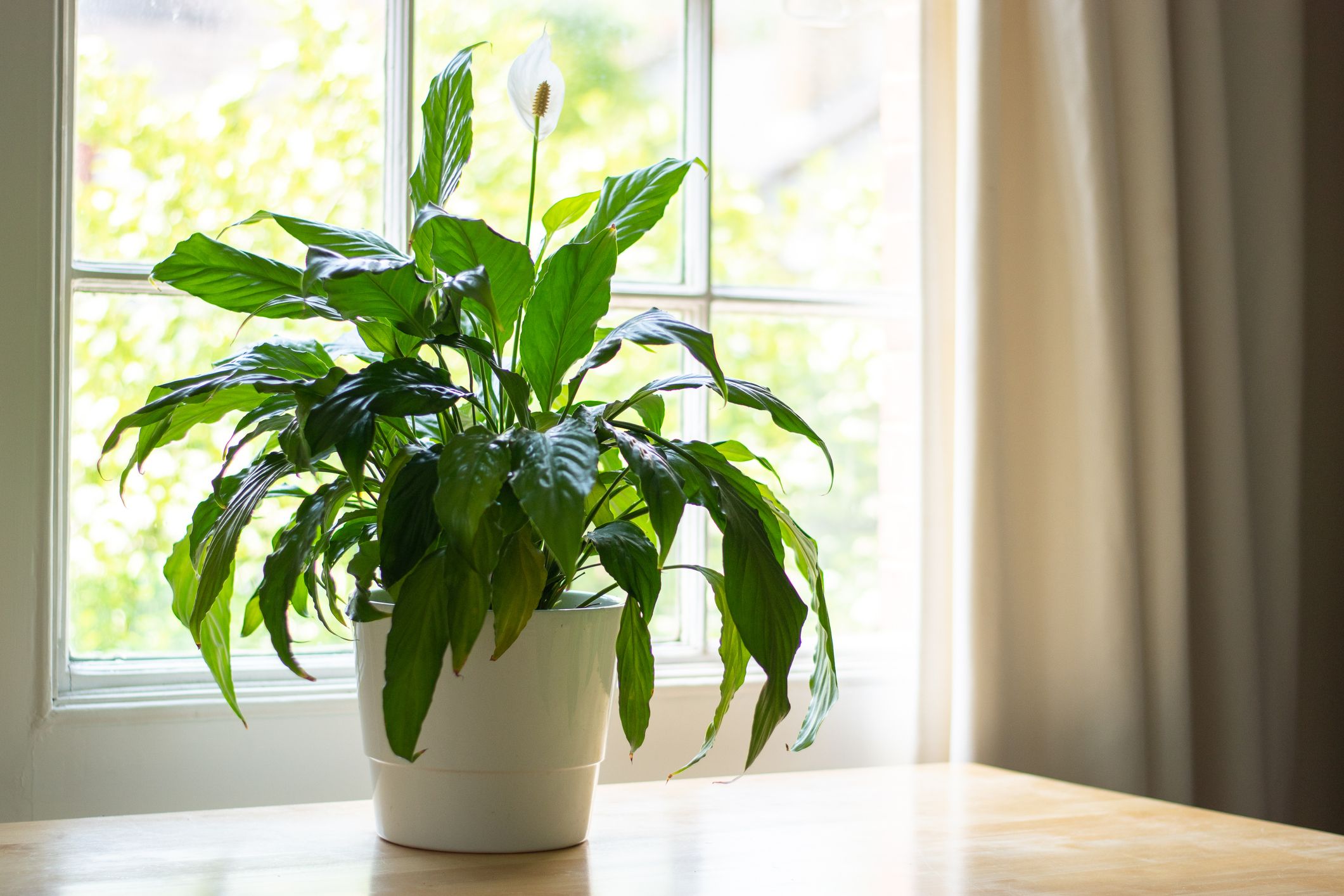
- Peace Lily (Spathiphyllum) – Enjoys consistent moisture and benefits from the self-watering feature.
- Pothos (Epipremnum aureum) – A hardy plant that adapts well to self-watering containers.
- Snake Plant (Sansevieria trifasciata) – Prefers dry conditions but can benefit from controlled moisture intake.
- Herbs (Basil, Mint, Parsley) – Many herbs thrive in self-watering pots, making them perfect for kitchen gardens.
How to Set Up a Self-Watering System
Setting up a self-watering system is easy and can be done in a few simple steps:
- Choose the Right Pot – Select a self-watering pot with a reservoir that suits your plant’s needs.
- Add a Wicking Material – If your pot doesn’t include a wick, place a cotton rope or similar material in the reservoir to help draw water up.
- Use Well-Draining Soil – A light potting mix works best to ensure proper water absorption.
- Fill the Reservoir – Add water to the reservoir and allow it to soak into the soil gradually.
- Monitor Water Levels – Check the reservoir periodically and refill as needed.